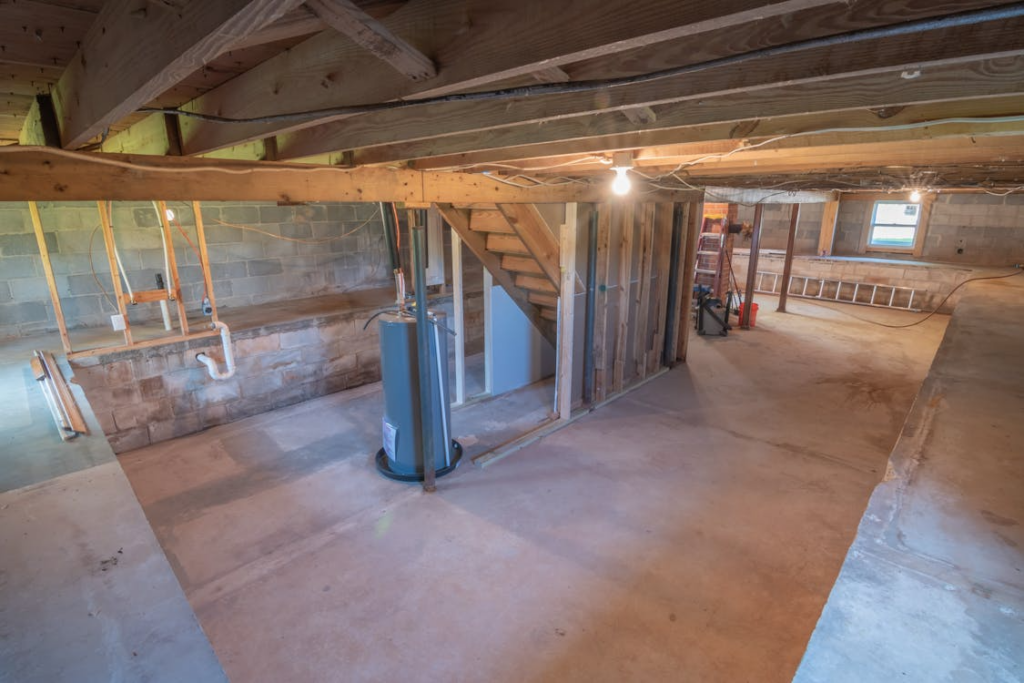

Understanding where delays typically occur allows you to plan with fewer surprises and better communication from the start.
A home renovation timeline is not a single block of construction time. It is a chain of dependent phases, each with its own approval steps, trade scheduling, and material coordination.
Homeowners who assume the project clock starts on demolition day often underestimate total duration by weeks or even months. A realistic timeline accounts for planning, permits, ordering, inspections, and punch-list corrections before final payment.
Pre-Construction Planning Phase
Before demolition begins, contractors finalize scope details, measurements, selections, and contracts. This planning stage can take 2 to 6 weeks, depending on project size and decision complexity.
Material selections often slow this phase. Cabinets, tile, fixtures, windows, and specialty finishes must be chosen early because lead times vary widely. Custom cabinetry, for example, may require 6 to 12 weeks for delivery.
Permit submission and approval also occur during this window. Municipal timelines vary significantly. Some permits are issued within days, while others require review cycles lasting several weeks. Construction cannot legally begin until permits are approved.
Explore How To Scope A Home Renovation Before Calling Contractors to reduce rework during planning
Demolition And Rough-In Work
Once permits are secured and materials are ordered, demolition begins. For kitchens or bathrooms, demolition may last several days. Larger renovations involving structural changes may take 1 to 2 weeks.
After demolition, rough-in work includes framing adjustments, plumbing relocation, electrical rewiring, HVAC modifications, and any structural reinforcements. Rough-in phases must be completed before insulation and drywall installation.
Inspections often occur after rough-in completion. If an inspector requests corrections, work may pause until revisions are approved. Scheduling inspections promptly is critical to maintaining momentum.
See Whole-Home Rewiring: Signs It’s Time to anticipate electrical scope changes.
Installation And Finish Work
After inspections pass, drywall, flooring, cabinetry, trim, and fixtures are installed. This stage often feels like visible progress, but it involves multiple trades working in sequence.
Delays commonly occur here due to material backorders or measurement discrepancies. If countertops cannot be templated until the cabinets are installed and fabrication requires 2 additional weeks, your timeline extends automatically.
Paint curing times, flooring acclimation periods, and specialty finishes also require patience. Rushing this phase can compromise quality, so realistic scheduling builds in breathing room rather than stacking trades too tightly.
Learn How To Align Design Vision With Budget Reality to prevent timeline slips from late finish changes.
Common Sources Of Delay
Material lead times remain one of the biggest drivers of schedule disruption. Even commonly stocked items can fall into temporary shortages. Ordering early reduces risk.
Trade availability is another factor. Electricians, plumbers, and inspectors operate on tight schedules. A missed appointment can shift the entire sequence.
Change orders also add time. When homeowners revise layout decisions mid-project, additional work and material adjustments push timelines outward. The more defined your scope before construction begins, the fewer timeline shocks you will face.
Read Comparing Multiple Bids Without Getting Overwhelmed to compare schedule assumptions.
Final Walkthrough And Punch List
Construction rarely ends the day installation finishes. A final walkthrough identifies small corrections known as punch-list items. These might include paint touch-ups, cabinet alignment, hardware adjustments, or minor caulking fixes.
Allow time for these details. Contractors may need several days to complete corrections after the walkthrough review. The final payment should not be issued until the agreed-upon items are resolved.
Additionally, plan for cleaning and system testing. HVAC systems, plumbing fixtures, and electrical components should be verified before project closeout. Documentation, such as warranties and permit sign-offs, should also be collected.
A realistic renovation timeline recognizes that projects move in phases, not in a straight line. Planning, permitting, rough-in inspections, material lead times, and final corrections all shape the calendar.
Homeowners who understand this structure avoid unnecessary stress and make better decisions about temporary living arrangements, financing schedules, and contractor expectations. Time becomes a managed variable instead of a recurring surprise.