A structured approach prevents rushed decisions during peak weather seasons when equipment failures are most disruptive.
Heating, ventilation, and air conditioning systems are among the most critical—and expensive—components in a home. When an HVAC system begins to fail, homeowners face a decision that affects comfort, energy efficiency, resale value, and long-term operating costs.
This HVAC replacement planning guide helps with more than selecting a new unit. It involves evaluating sizing, ductwork condition, efficiency ratings, and installation quality.
Signs It’s Time To Replace Your System
HVAC systems typically last 10 to 20 years, depending on maintenance and usage. Frequent repairs, rising energy bills, uneven temperatures, excessive noise, or poor airflow often signal aging equipment.
If your system uses outdated refrigerants or struggles to maintain comfortable indoor temperatures, replacement may be more cost-effective than ongoing repairs.
Energy efficiency standards have improved significantly over time. Older systems often operate at much lower efficiency ratings, meaning modern replacements can substantially reduce long-term utility costs.
A professional evaluation can determine whether repair or full replacement makes more financial sense.
Explore The Pre-Renovation Home Inspection Checklist to assess overall system conditions.
Proper System Sizing Matters
One of the most common HVAC mistakes is improper sizing. Bigger is not always better. Oversized systems cycle on and off frequently, reducing efficiency and failing to dehumidify properly. Undersized systems struggle to maintain consistent temperatures.
Professional contractors perform load calculations based on square footage, insulation levels, window exposure, and climate conditions. This ensures the system matches your home’s specific heating and cooling demands.
Avoid contractors who provide replacement quotes without conducting proper load assessments. Accurate sizing protects both comfort and equipment longevity.
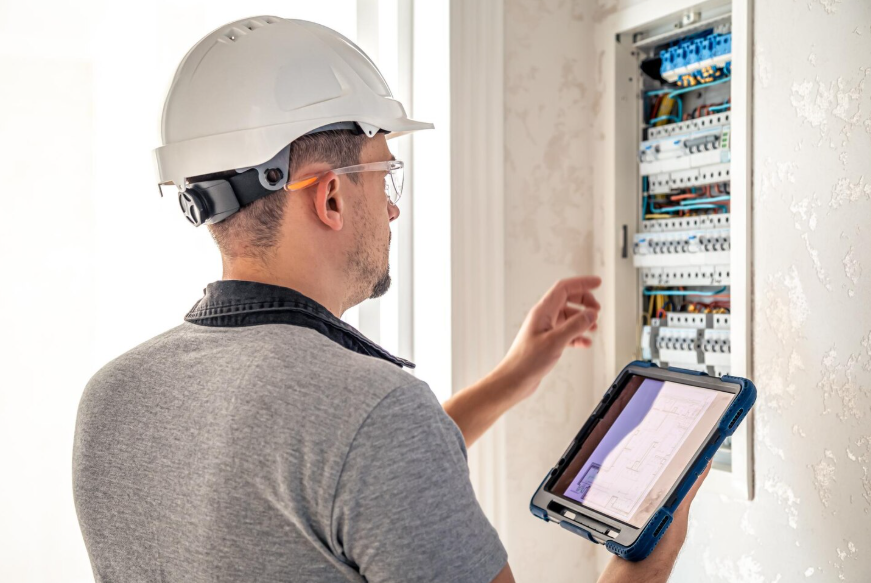
See Electrical Panel Upgrades: When And Why You Need One for capacity planning considerations.
Ductwork Evaluation and Airflow
Replacing the HVAC unit without assessing ductwork can limit system performance. Leaky, undersized, or poorly insulated ducts reduce airflow efficiency and increase operating costs.
During replacement planning, ask whether duct inspection and sealing are included in the proposal.
In some homes, duct modifications or zoning systems may improve temperature balance between floors or rooms.
Addressing airflow issues during replacement is more cost-effective than correcting them later.
Read Whole-Home Rewiring: Signs It’s Time when upgrading major systems.
Understanding Efficiency Ratings
HVAC systems are rated using metrics such as SEER (Seasonal Energy Efficiency Ratio) for cooling and AFUE (Annual Fuel Utilization Efficiency) for heating.
Higher ratings typically mean greater efficiency, but they also increase upfront cost. The optimal balance depends on climate, usage patterns, and budget.
Energy rebates or tax incentives may apply to high-efficiency models. Research local programs before making final selections.
Efficiency improvements can provide meaningful long-term savings, particularly in regions with extreme seasonal temperatures.
Installation Quality And Warranty Protection
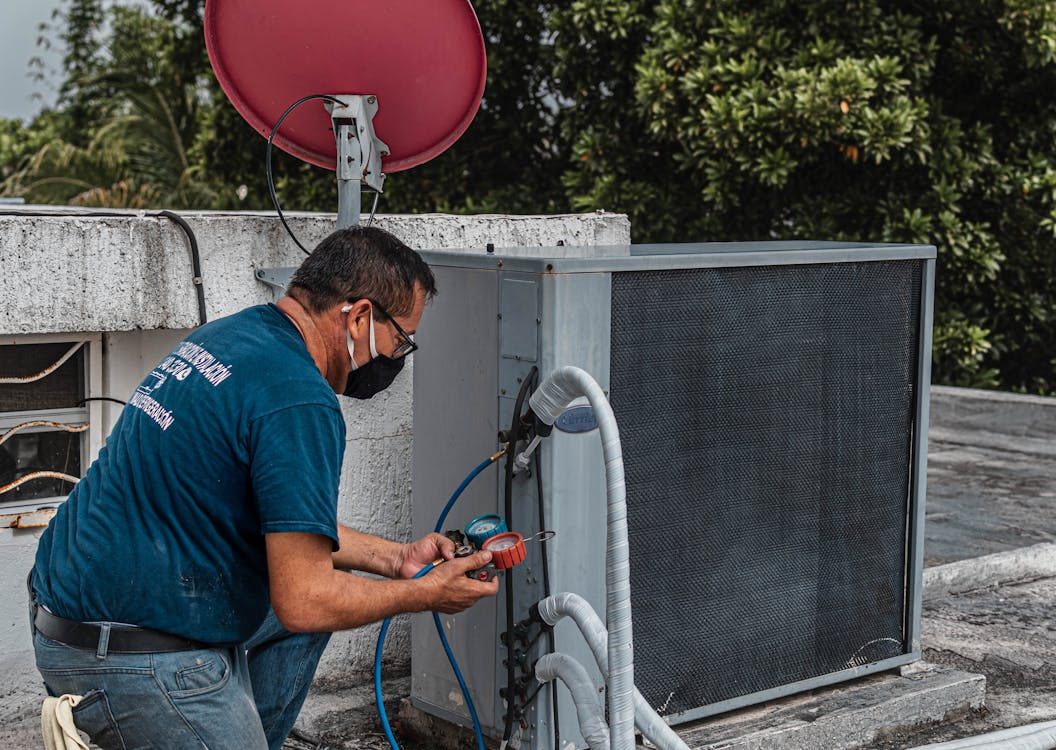
Even the most advanced HVAC equipment performs poorly if installed incorrectly. Proper refrigerant charging, electrical connection, and airflow calibration are essential.
Choose licensed professionals with documented experience in system replacement.
Warranty coverage often depends on proper installation and registration. Confirm manufacturer warranty duration and whether labor coverage is included.
Retain documentation of model numbers, installation dates, and service records for future reference.
Check Warranty Coverage Explained For Home Services before finalizing installation agreements.
Planning Around Disruption
HVAC replacement typically takes 1 to 3 days, depending on the complexity. Temporary heating or cooling interruptions should be anticipated.
Scheduling during mild weather reduces discomfort if the system is offline briefly.
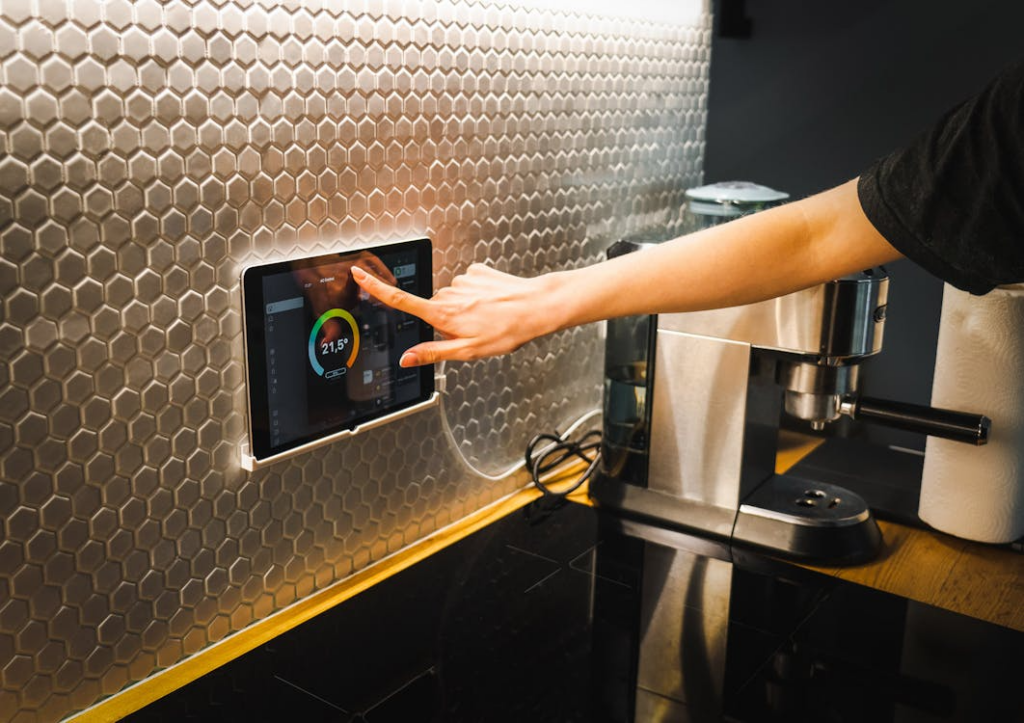
Coordinate thermostat upgrades or smart home integration during installation if desired.
HVAC replacement planning is not simply an equipment purchase; it is a systems evaluation. Assessing performance symptoms, confirming proper sizing, reviewing ductwork condition, understanding efficiency ratings, and prioritizing installation quality all influence long-term comfort and cost.
Replacing an aging system proactively, rather than reactively during peak demand seasons, often results in better pricing and contractor availability.
A well-planned HVAC upgrade improves indoor comfort, reduces energy consumption, and strengthens overall home value for years to come.