
A well-scoped project leads to cleaner estimates, fewer change orders, and more productive conversations from the very first call.
Home renovations often go off track before a contractor ever steps on site. The most common budget overruns, timeline extensions, and communication breakdowns start with unclear goals.
Before requesting quotes, homeowners should define exactly what problem they are solving, what success looks like, and what constraints cannot be violated.
Clarify The Core Objective
Start by identifying why you are renovating. Is this project about resale value, improving daily function, fixing damage, or upgrading aesthetics? The purpose influences every later decision, from materials to timeline flexibility.
Next, define the scope in plain language. Instead of saying “I want a better kitchen,” specify whether that means new cabinets, improved layout, upgraded appliances, or structural changes. The more detailed your description, the easier it is for contractors to price accurately.
Finally, separate needs from wants. Structural repairs, code compliance, and failing systems are non-negotiable. Decorative upgrades, layout tweaks, or premium finishes may be flexible if budget pressures arise.
Explore How To Align Design Vision With Budget Reality to balance expectations early.
Establish Budget Parameters And Risk Tolerance
Before gathering bids, determine your realistic spending ceiling. This should include not only the expected construction cost but also a contingency buffer. Most homeowners should plan for a 10–20% reserve depending on project complexity.
Be honest about financing. Are you using savings, a HELOC, or staged payments? Your funding source may affect how aggressively you can move forward or whether you should phase the renovation.
Also, define your comfort level with surprises. Older homes carry higher uncertainty, especially with plumbing, electrical, and structural elements hidden behind walls. If you want cost predictability, your scope should include allowances for exploratory inspections before full demolition.
See Budget Buffer Strategies Every Homeowner Should Build In for contingency planning guidance.
Define Timeline Expectations
Many homeowners underestimate how long renovations take. Before calling contractors, identify key date constraints, such as move-in deadlines, school schedules, seasonal weather, and upcoming events.
Understand that timelines have phases: planning, permitting, material ordering, demolition, rough-in work, inspections, finishing, and final walkthrough. Delays often occur due to permit approvals, specialty material backorders, and trade scheduling conflicts.
If speed is critical, be prepared to make faster design decisions and approve materials quickly. If flexibility is available, you may have more leverage on pricing and contractor availability.
Assess Structural And System Conditions First
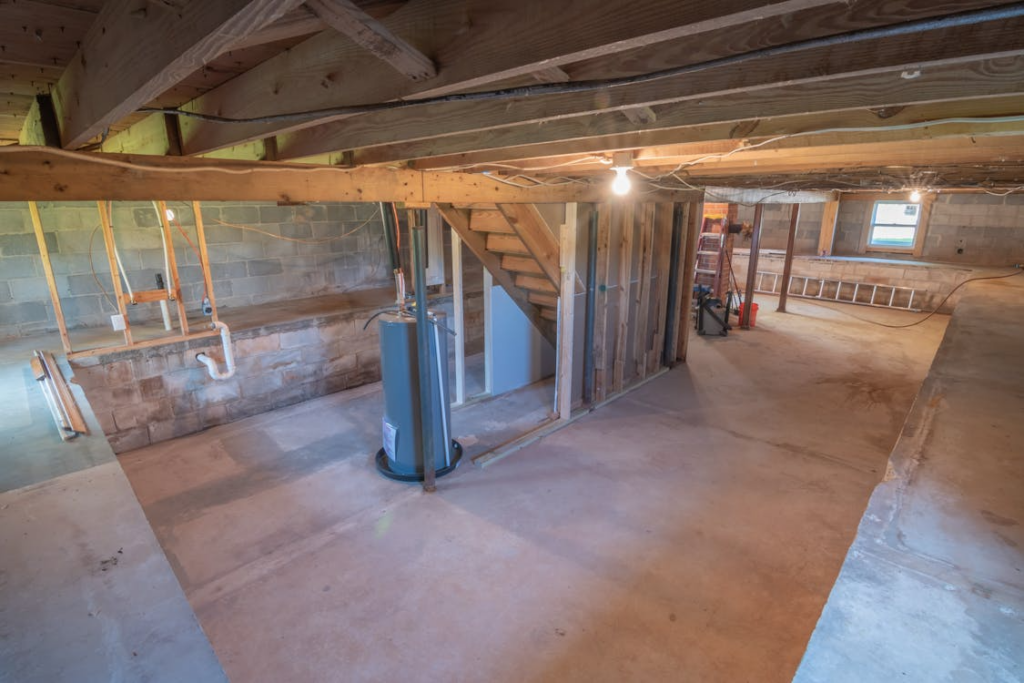
A renovation scope should begin with what cannot be seen. Inspect structural elements, electrical capacity, plumbing condition, HVAC performance, moisture risks, and insulation gaps before committing to surface upgrades.
If your home is older, consider a pre-renovation inspection focused specifically on systems rather than a resale evaluation. Discovering outdated wiring or hidden water damage mid-project is one of the most common reasons for budget overruns.
Clarify whether your project triggers code upgrades. Moving plumbing lines, removing load-bearing walls, or upgrading panels may require permits and engineering review. These elements should be identified before requesting bids.
Read The Pre-Renovation Home Inspection Checklist to assess hidden system risks.
Create A Written Scope Checklist
Before contacting contractors, compile a simple project brief that includes:
- Project objective and primary reason for renovation
- Rooms or areas included
- Must-have improvements
- Optional upgrades
- Preliminary budget range
- Contingency percentage
- Timeline constraints
- Known structural or system concerns
- Financing method
- Permit expectations
This scope checklist does not require architectural drawings, but it should clearly communicate intent. Contractors can refine details later, but they need direction first.
Bringing a defined scope to the conversation signals seriousness and reduces vague estimates. It also allows you to compare bids more accurately because each contractor is pricing the same foundation of work.
A well-scoped renovation does not eliminate surprises, but it dramatically reduces avoidable ones. The goal is clarity before commitment. When homeowners take time to define priorities, budget boundaries, and system realities, contractor conversations become strategic rather than reactive.
Check What A Detailed Estimate Should Actually Include to compare contractor proposals clearly.