Understanding when rewiring is necessary helps homeowners plan proactively rather than waiting for emergencies.
Electrical systems are often out of sight and out of mind until problems appear. In older homes, especially, wiring may no longer meet modern safety standards or electrical demands.
Whole-home rewiring is not a cosmetic upgrade; it is a structural safety improvement that protects against fire risk, overload, and system failure.
Warning Signs of Outdated Wiring
Frequent breaker trips, flickering lights, buzzing sounds from outlets, or warm switch plates can indicate overloaded or deteriorating wiring.
Homes built before the 1970s may contain aluminum wiring or even knob-and-tube systems. These outdated materials present a higher fire risk and often fail to meet current code standards.
Two-prong outlets without grounding are another red flag. Lack of grounding reduces protection for modern electronics and appliances.
If your home lacks sufficient outlets and relies heavily on extension cords, the system may be undersized for contemporary usage.
Explore Electrical Panel Upgrades: When And Why You Need One for upgrade timing and safety context.
Capacity Limitations in Older Homes
Many older homes were wired for significantly lower electrical demand. Today’s households rely on high-powered appliances, HVAC systems, electric vehicle chargers, home offices, and smart technology.
A 60-amp or 100-amp electrical service may no longer be sufficient. Even if the panel has been upgraded, the branch wiring throughout the home may still be outdated.
During major renovations, adding circuits for kitchens, bathrooms, and laundry rooms often exposes insufficient wiring capacity.
Rewiring ensures that the entire distribution system, not just the panel, safely supports current needs.
Review Understanding Labor Vs. Material Cost Breakdown to plan budgeting for rewiring work.
What Whole-Home Rewiring Involves
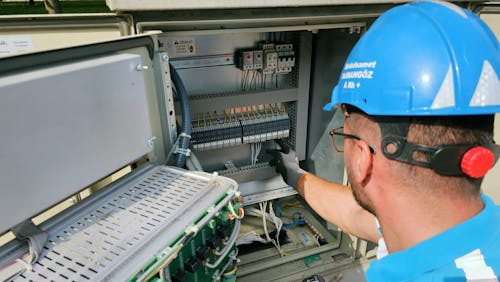
Rewiring typically includes replacing old electrical cables, upgrading outlets and switches, installing grounded circuits, and, if not already modernized, replacing the electrical panel.
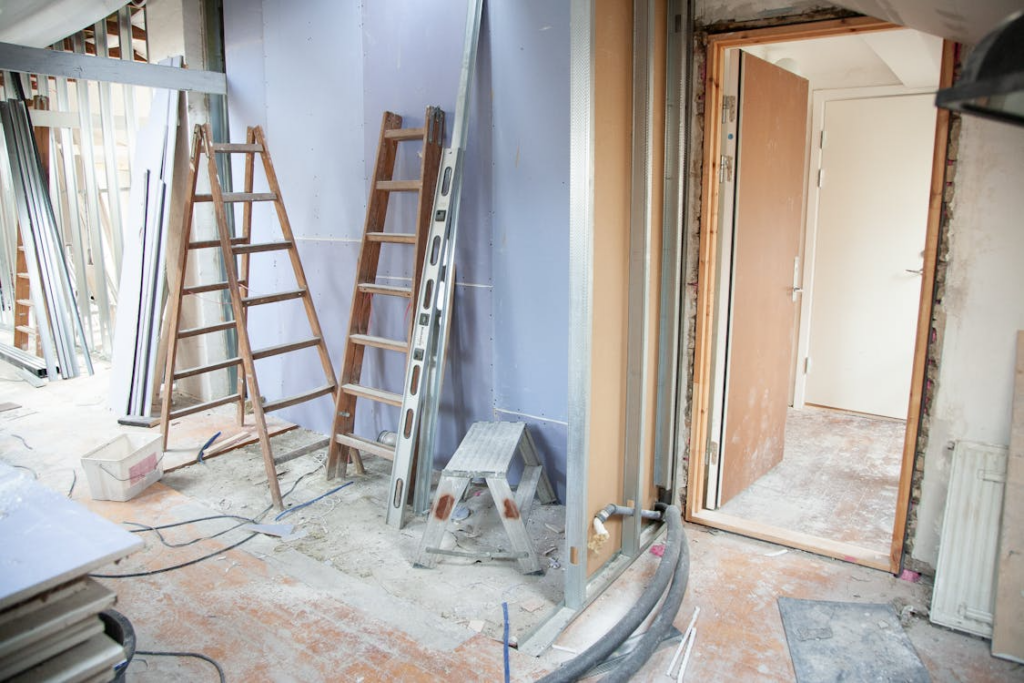
Electricians may open walls or ceilings to access wiring paths. In some cases, rewiring can be completed with minimal drywall removal using strategic routing techniques.
Permits and inspections are required for full rewiring projects. Code compliance ensures proper grounding, circuit protection, and load distribution.
Homeowners should expect some disruption, but experienced electricians work systematically to restore power to sections as efficiently as possible.
Consider Smart Home System Installation Planning when rewiring supports smart devices.
Safety and Insurance Considerations
Outdated wiring increases fire risk. Insurance companies sometimes require upgrades before issuing or renewing policies on older homes.
Rewiring improves safety by reducing overheating, arcing, and overload hazards. It also enhances compatibility with surge protection and modern circuit breakers.
In homes undergoing significant renovation, bringing electrical systems up to code is often mandatory.
Investing in rewiring protects not only property value but also occupant safety.
See Exterior Siding Replacement Options if exterior work overlaps with electrical upgrades.
Planning Rewiring During Renovations
The most cost-effective time to rewire is during larger remodeling projects when walls are already open.
Coordinating rewiring with kitchen or bathroom renovations reduces redundant labor and drywall repair.
If phased rewiring is necessary due to budget constraints, prioritize high-demand areas such as kitchens, laundry rooms, and home offices first.
A licensed electrician should perform a full evaluation before determining whether partial upgrades or complete rewiring are appropriate.
Whole-home rewiring is rarely glamorous, but it is foundational. Recognizing warning signs, understanding capacity limitations, and planning upgrades during renovation projects ensures safety and future readiness.
Modern electrical systems reliably support today’s appliances, technology, and energy demands. While rewiring represents a significant investment, it provides long-term peace of mind and strengthens the integrity of all other home upgrades.