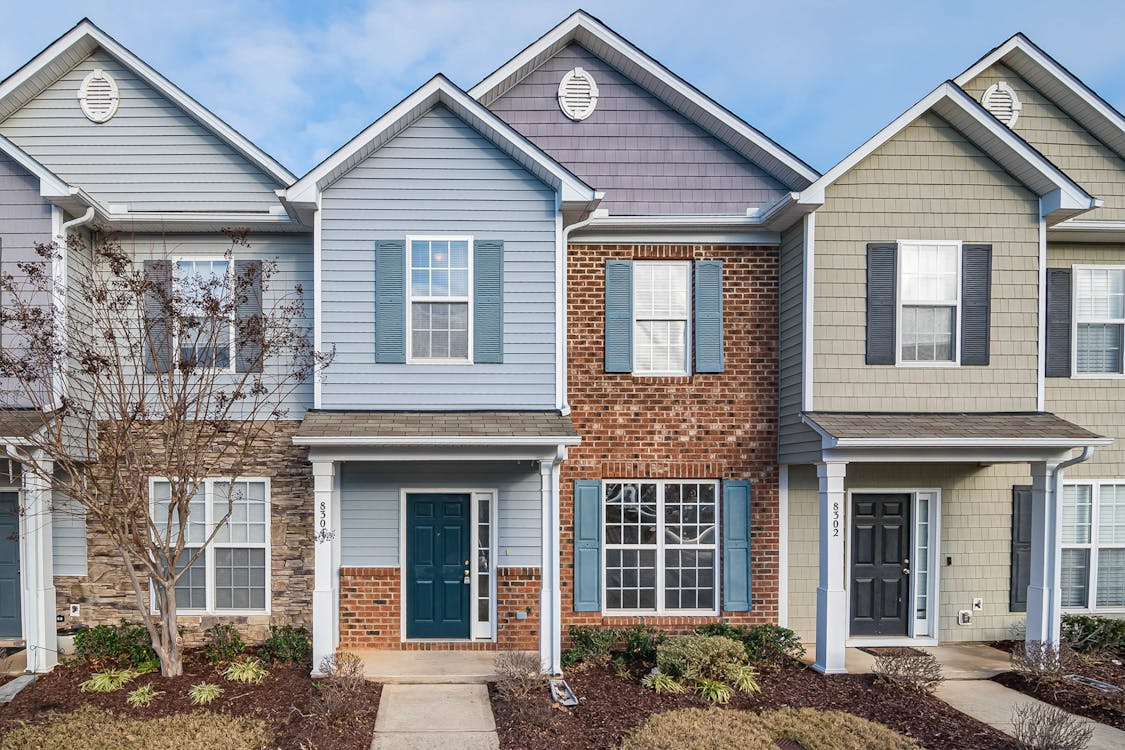
Understanding the strengths and trade-offs of exterior siding replacement options helps homeowners make confident decisions rather than focusing solely on upfront cost.
Exterior siding protects your home from weather, pests, and moisture while shaping its overall appearance. When siding begins to crack, warp, fade, or allow water intrusion, replacement may be necessary to preserve structural integrity.
Choosing the right siding material involves balancing durability, maintenance requirements, climate conditions, and long-term value.
Vinyl Siding: Affordable and Low Maintenance
Vinyl siding remains one of the most popular residential options due to affordability and minimal upkeep. It resists moisture, requires no painting, and is available in a wide range of colors and textures.
Modern vinyl products offer greater durability than earlier generations. Insulated vinyl options can enhance thermal performance.
However, vinyl may crack in extreme cold or warp under high heat. It is also less impact-resistant than some premium materials.
For budget-conscious homeowners seeking low maintenance, vinyl remains a practical choice.
Explore Roofing Replacement: Material Options Compared to coordinate exterior upgrades.
Fiber Cement: Durability and Versatility
Fiber cement siding, commonly associated with products like Hardie board, offers strong resistance to fire, pests, and moisture.
It mimics the appearance of wood while requiring less maintenance. Fiber cement can be painted in virtually any color and holds paint well.
Installation requires specialized cutting tools and professional expertise due to the material’s weight.
While more expensive than vinyl, fiber cement provides long-term durability and broad architectural flexibility.
Compare Water Damage Restoration Vs. Remodeling to understand when siding issues require repair.
Wood Siding: Classic Appeal with Maintenance
Wood siding delivers natural warmth and timeless aesthetic character. Options include clapboard, shingles, shakes, and board-and-batten styles.
Properly maintained wood siding can last decades, but it requires regular painting or staining to prevent rot and insect damage.
In humid or termite-prone climates, maintenance demands may increase.
Homeowners drawn to traditional charm often accept higher upkeep in exchange for an authentic appearance.
Engineered Wood and Composite Options
Engineered wood siding blends wood fibers with resins to create lighter, more uniform boards. It offers improved resistance to moisture and pests compared to natural wood.
Composite siding products also replicate traditional textures while providing enhanced durability.
These materials typically cost more than vinyl but less than premium fiber cement installations.
Warranty terms vary, so review manufacturer specifications carefully before selecting engineered products.
Climate and Structural Considerations
Climate influences siding performance significantly. In wet regions, moisture resistance is critical. In wildfire-prone areas, fire-resistant materials such as fiber-cement may be preferable.
Proper installation includes weather barriers, flashing, and drainage systems behind siding panels. Water management systems are as important as the siding material itself.
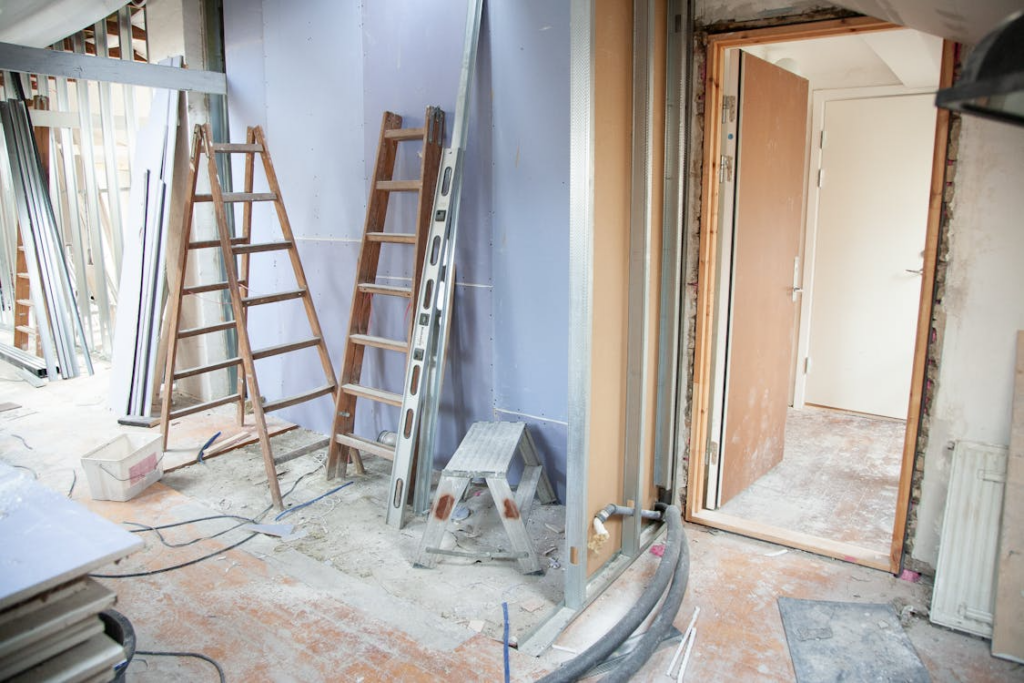
Structural sheathing condition should be evaluated before replacement. Addressing rot or damage during siding replacement prevents future issues.
See The Pre-Renovation Home Inspection Checklist to identify hidden structural concerns before replacement.
Cost and Long-Term Value
Upfront cost varies by material, labor intensity, and home size. Vinyl is typically the most affordable. Fiber-cement and wood installations incur higher labor costs.
Long-term maintenance costs should be considered. Materials that require repainting or sealing may incur additional costs over time.
In many markets, durable siding upgrades enhance resale appeal and improve curb presentation.
Exterior siding replacement is both a protective upgrade and a visual transformation. Vinyl offers affordability and ease. Fiber cement delivers durability and versatility. Wood offers timeless appeal but requires higher maintenance. Engineered products balance performance and cost.
Evaluating climate demands, maintenance tolerance, installation quality, and long-term value ensures siding choices support both structural protection and aesthetic goals for years to come.
Check Window Replacement Services and Energy Ratings to align siding upgrades with efficiency improvements.