Whether installing during a renovation or retrofitting an existing home, smart home installation planning reduces frustration and future rework.
Smart home systems promise convenience, efficiency, and control, but only when planned properly. Adding devices one at a time without an overall strategy often results in compatibility issues, connectivity problems, and cluttered wiring.
Successful smart home integration requires infrastructure planning, ecosystem selection, and coordination with electrical and networking systems.
Define Your Smart Home Goals First
Begin by clarifying what you want your smart system to accomplish. Are you focused on security, energy efficiency, lighting automation, entertainment integration, or whole-home control?
Prioritize functions before selecting devices. For example, a homeowner focused on energy savings may emphasize smart thermostats and lighting controls, while another may prioritize cameras and access control.
Avoid impulse device purchases without first researching compatibility. Establishing a clear objective helps prevent fragmented systems that cannot communicate effectively.
See The Pre-Renovation Home Inspection Checklist before integrating new smart systems.
Choose a Compatible Ecosystem
Smart devices operate within ecosystems such as Google Home, Amazon Alexa, Apple HomeKit, or proprietary hub systems.
Before purchasing equipment, verify compatibility across platforms. Mixing incompatible ecosystems can limit functionality or require multiple control apps.
Central hubs or controllers often improve system reliability by coordinating devices through a single interface.
Future expansion should also be considered. Choose systems that allow additional devices to be added without replacing core infrastructure.
Explore Whole-Home Rewiring: Signs It’s Time before upgrading circuits.
Plan Structured Wiring and Network Capacity
Reliable internet connectivity is the backbone of smart home systems. Weak Wi-Fi signals or overloaded routers lead to device dropouts and inconsistent automation.
During renovation, consider structured wiring for Ethernet connections in key areas. Hardwired access points improve signal strength and reduce latency.
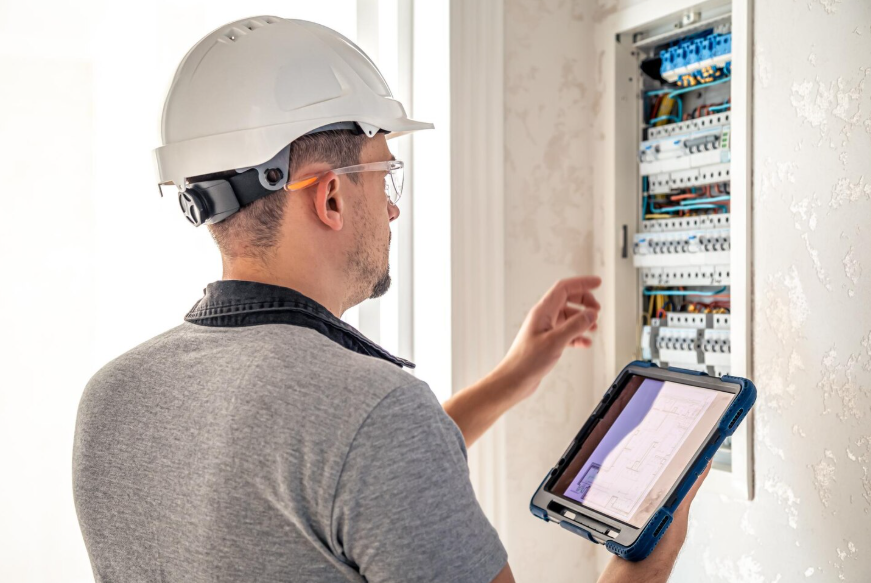
Electrical planning should include adequate outlet placement, dedicated circuits for hubs or control panels, and surge protection.
Planning these elements before walls are closed is far more cost-effective than retrofitting later.
Check Planning Around Supply Chain Delays before ordering specialty components.
Integrate Security and Monitoring Systems
Security systems often serve as the foundation for smart home integration. Cameras, doorbell systems, smart locks, motion sensors, and alarm panels should be coordinated within the broader ecosystem.
Placement planning matters. Cameras require proper angles and weather protection. Doorbell wiring may need to be upgraded to support video systems.
If professional monitoring is desired, confirm compatibility between the hardware and the monitoring provider.
Security integration should prioritize privacy controls and secure password management.
Consider Automation and Energy Efficiency
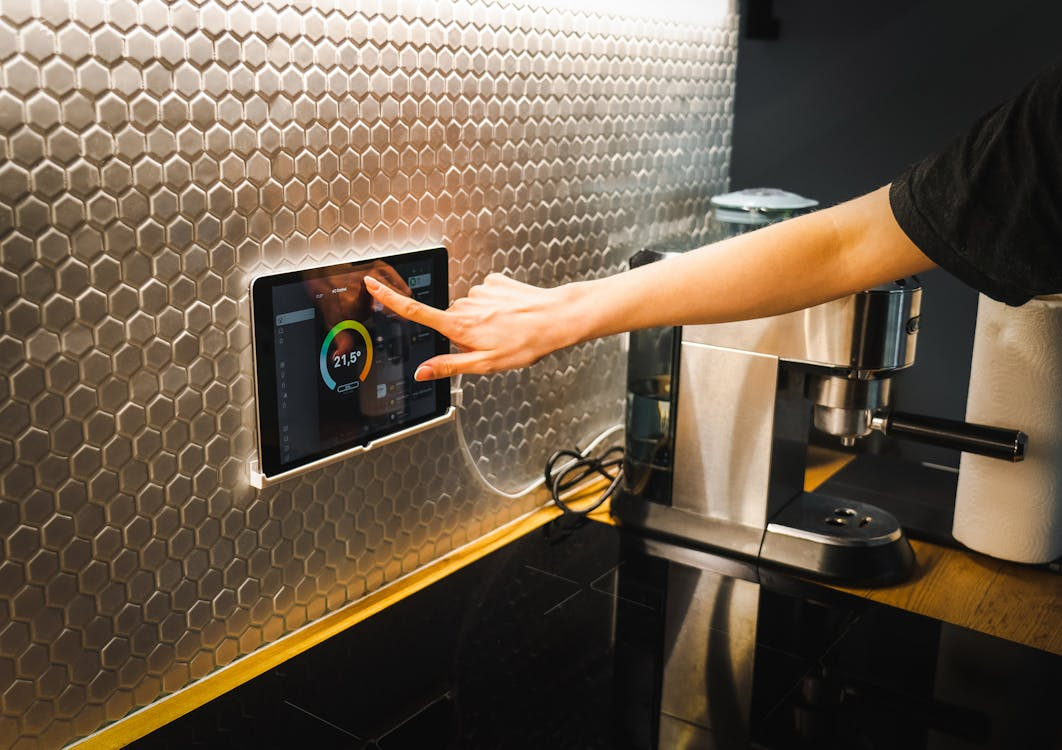
Smart lighting, thermostats, irrigation systems, and appliance controls can improve efficiency and convenience.
Zoned temperature control reduces energy waste. Automated lighting schedules enhance security and reduce electricity usage.
Programming automation routines requires thoughtful setup. Consider daily patterns, occupancy schedules, and seasonal adjustments.
Homeowners should receive training on system operation to avoid underutilizing installed features.
Read Post-Project Walkthrough Checklist to verify smart system performance.
Budgeting and Future-Proofing
Smart home installations range from modest upgrades to comprehensive home automation systems. The budget should include devices, wiring, networking equipment, and professional installation, if needed.
Future-proofing involves selecting systems with software update support and expandable capacity.
Avoid proprietary platforms with limited device compatibility. Open ecosystems often provide greater longevity.
Smart home system planning is not about gadgets; it is about infrastructure. Defining goals, selecting compatible ecosystems, strengthening network capacity, integrating security thoughtfully, programming automation intentionally, and budgeting for scalability ensure long-term success.
When integrated properly, smart systems enhance comfort, efficiency, and property value. When added without planning, they create complexity.
Strategic planning transforms technology from novelty into lasting functionality.