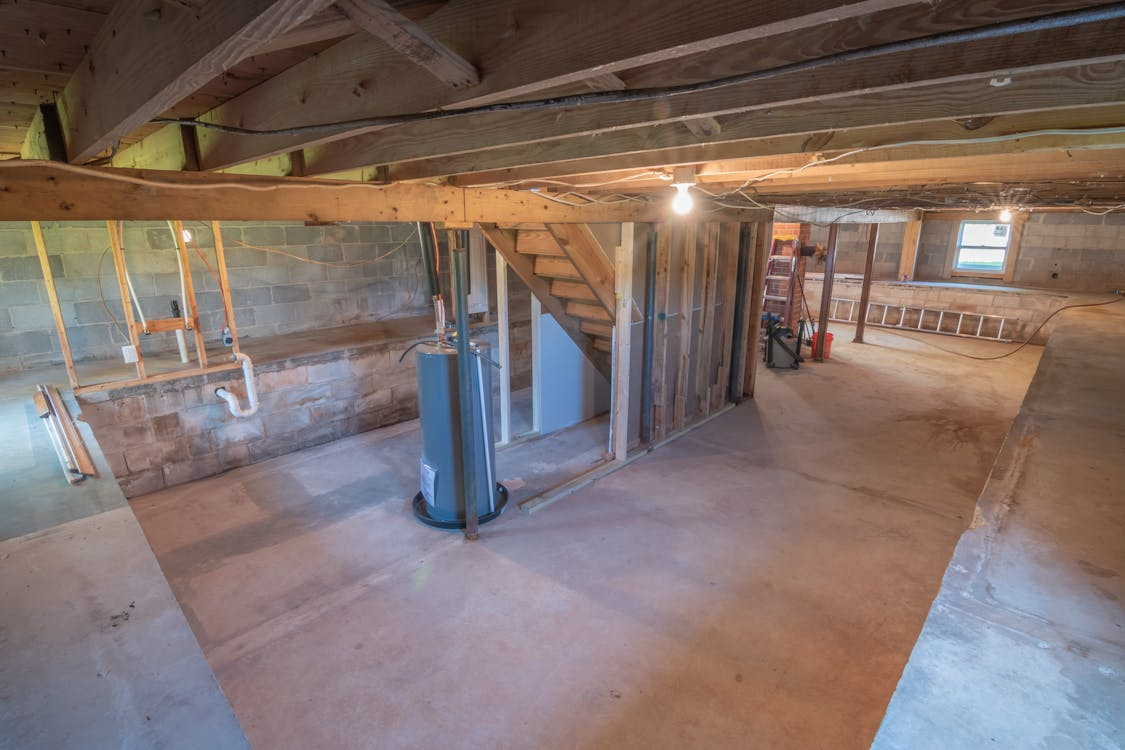
Unlike above-ground renovations, basement projects require careful planning for water management, insulation, and compliance with safety regulations. Approaching basement finishing as both a structural and habitability project, not just a cosmetic upgrade, protects long-term investment and occupant safety.
Finishing a basement can add valuable living space, but it also introduces unique risks. Basements sit below grade, making them vulnerable to moisture intrusion, temperature fluctuation, and code compliance challenges.
Basement finishing moisture control should guide planning from day one, not after materials are installed.
Moisture Assessment Before Construction
Moisture control is the most critical factor in basement finishing. Even small amounts of seepage can damage drywall, flooring, and insulation over time.
Before framing walls, inspect foundation surfaces for cracks, efflorescence (white mineral deposits), or visible damp spots. Address exterior drainage issues, such as improper grading or clogged downspouts, first.
Interior solutions may include sump pumps, perimeter drains, or vapor barriers. Installing finishes without resolving underlying moisture problems almost guarantees future repairs.
Moisture testing should occur during both the dry and wet seasons, if possible, to identify seasonal variability.
Check Foundation Repair Methods Explained to understand crack fixes before adding finishing.
Framing, Insulation, and Vapor Barriers
Basement walls require insulation methods appropriate for below-grade conditions. Traditional fiberglass batts placed directly against concrete can trap moisture and promote mold growth.
Rigid foam insulation or spray foam systems are commonly used because they resist moisture absorption and provide thermal performance.
Vapor barrier placement depends on climate and local building codes. Improper installation can trap condensation inside wall cavities.
Framing should allow space between foundation walls and finished surfaces to promote airflow and moisture control.
Read What A Detailed Estimate Should Actually Include to confirm moisture steps are priced clearly.
Egress Window and Safety Requirements
Building codes often require egress windows in finished basements used as bedrooms. Egress windows provide emergency escape and rescue access.
Size, sill height, and window well dimensions must meet local code requirements.
Smoke detectors and carbon monoxide alarms are also typically required in finished basement spaces.
Consult local building departments early in planning to confirm safety compliance.
Electrical and HVAC Considerations
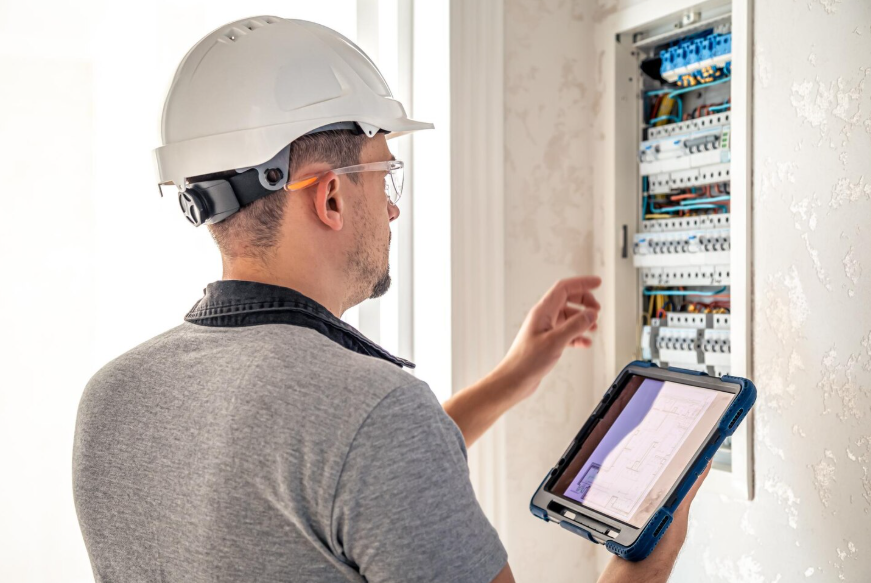
Basements may require additional circuits to support new living areas. Electrical outlets must meet spacing requirements and be properly grounded.
Lighting plans should account for lower ceiling heights and limitations on natural light.
HVAC systems must be evaluated to ensure adequate airflow. Extending existing ductwork without recalculating load capacity may result in uneven heating and cooling.
In some cases, adding a separate zone or supplemental heating system improves comfort.
Explore Electrical Panel Upgrades: When And Why You Need One to confirm capacity for added basement circuits.
Ceiling Height and Structural Constraints
Minimum ceiling height requirements vary by jurisdiction. Ductwork, plumbing lines, and beams may reduce usable height.
Before finalizing the layout, measure clearances carefully and confirm compliance with local building codes.
If structural modifications are required to increase headroom, engineering consultation may be necessary.
Balancing comfort, safety, and code compliance ensures the finished space qualifies as a legal living area.
Permits and Inspection Oversight
Basement finishing projects typically require permits. Inspections verify framing, electrical wiring, insulation, and egress compliance.
Skipping permits can create resale complications and insurance issues.
Permit documentation provides proof that the finished space meets habitability standards.
Proper inspection oversight protects both structural integrity and long-term property value.
Finishing a basement transforms underutilized square footage into a functional living space, but moisture management and code compliance must guide every decision.
Addressing water risks before construction, using appropriate insulation systems, meeting egress and safety requirements, evaluating HVAC capacity, and securing permits all contribute to durable results.
A thoughtfully planned basement renovation enhances livability without compromising structural health. Ignoring moisture and code considerations, however, can turn added space into a recurring problem.
Learn Permits 101: What Projects Actually Require Approval to avoid resale and insurance issues.