Planning aging-in-place upgrades early, before urgent needs arise, creates smoother transitions and more cost-effective solutions.
Aging-in-place home modifications focus on allowing homeowners to remain safely and comfortably in their homes as mobility, vision, or strength changes over time.
Rather than relocating to assisted living or downsizing prematurely, many homeowners choose to adapt their existing spaces. These renovations prioritize accessibility, safety, and long-term usability without sacrificing design quality.
Entry and Exterior Accessibility
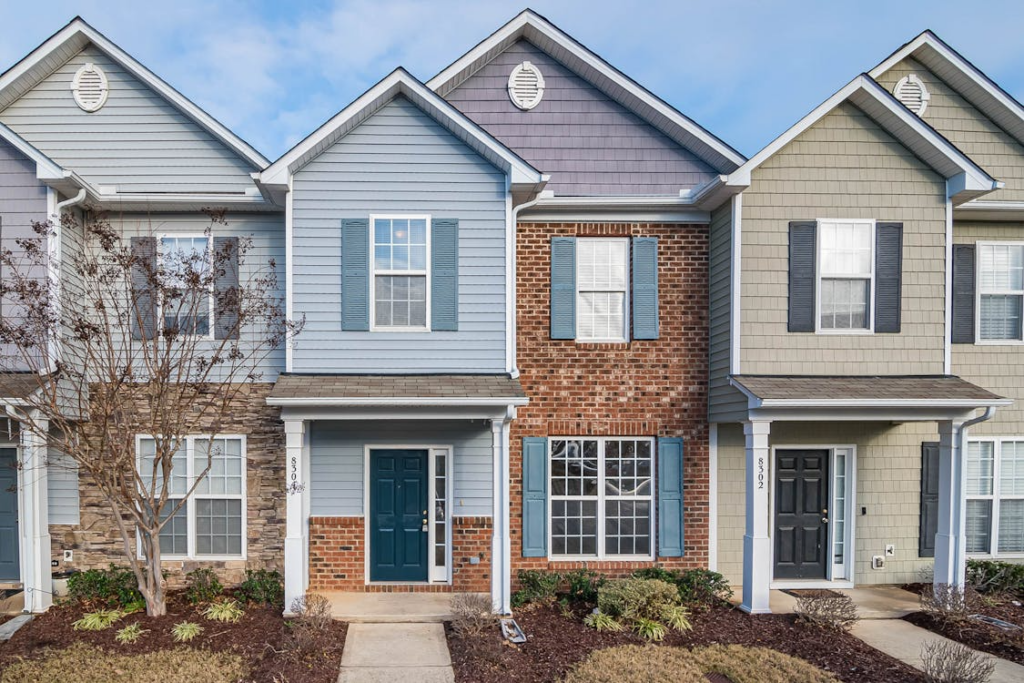
Safe access begins at the exterior. Steps without railings, uneven walkways, and narrow doorways can become barriers over time.
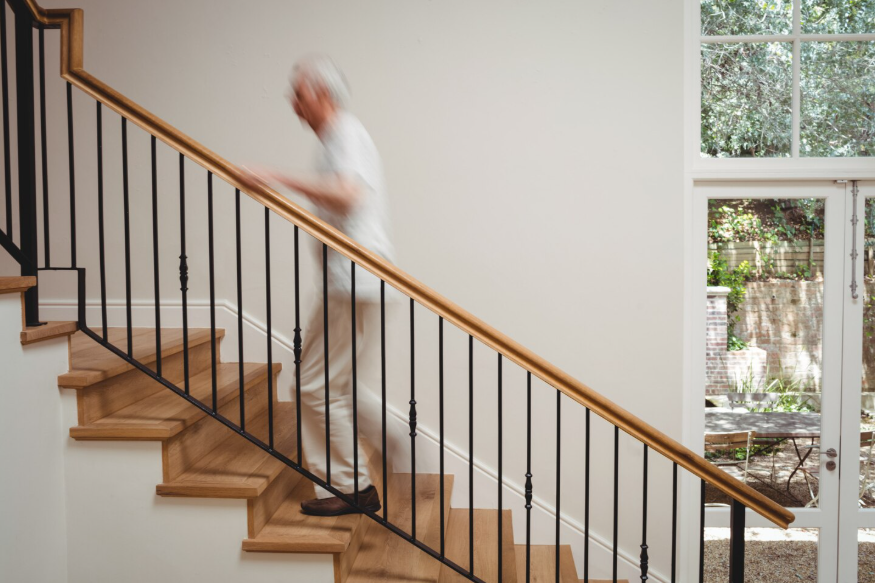
Common upgrades include zero-step entries, widened doorways, lever-style door handles, and improved exterior lighting. Installing slip-resistant surfaces and sturdy handrails significantly enhances safety.
Garage access should also be evaluated. Level thresholds and automatic door openers reduce strain and improve independence.
Addressing exterior accessibility early prevents costly structural modifications later.
Plan The Pre-Renovation Home Inspection Checklist to spot access risks before design decisions.
Bathroom Safety Modifications
Bathrooms are one of the highest-risk areas for falls. Aging-in-place renovations often begin here.
Walk-in showers with low or no thresholds reduce tripping hazards. Grab bars anchored securely to framing provide stability near toilets and showers.
Non-slip flooring, handheld showerheads, and comfort-height toilets improve usability.
Wider doorways and adequate turning space accommodate mobility aids such as walkers or wheelchairs if needed.
Proper ventilation and lighting also support long-term comfort and safety.
Read Bathroom Renovation Service Breakdown to compare scopes and safety-focused upgrades.
Kitchen Accessibility Adjustments
Kitchens can be adapted with subtle but effective modifications. Lowered countertops or multi-height work surfaces improve accessibility.
Pull-out shelving, drawer-style cabinets, and soft-close hardware reduce strain. Lever-style faucets and touchless controls simplify daily tasks.
Appliance placement should minimize bending or reaching. Wall ovens installed at accessible heights improve safety.
Thoughtful layout planning maintains functionality while supporting evolving mobility needs.
Flooring and Interior Circulation
Smooth, non-slip flooring throughout the home reduces the risk of falls. Eliminating thresholds between rooms improves mobility.
Carpet with thick padding can create resistance for walkers or wheelchairs, while low-pile options provide safer alternatives.
Hallway widths should be evaluated to allow comfortable navigation. Lighting upgrades, such as motion sensors or layered illumination, improve visibility at night.
Interior circulation design supports independence and reduces reliance on assistance.
See Comparing Multiple Bids Without Getting Overwhelmed to evaluate scope and pricing clearly.
Smart Technology and Safety Enhancements
Technology is playing an increasingly important role in aging-in-place design. Smart thermostats, voice-controlled lighting, security cameras, and emergency alert systems enhance convenience and safety.
Automated lighting schedules reduce nighttime fall risk. Video doorbells allow homeowners to see visitors without rushing to the door.
Remote monitoring systems can provide reassurance for family members while preserving independence.
Integrating technology during renovation ensures wiring and connectivity are planned efficiently.
Long-Term Planning and Universal Design
Aging-in-place home modifications often incorporate universal design principles—features that benefit all ages without appearing clinical.
Wider doorways, lever handles, improved lighting, and open floor plans enhance accessibility for everyone.
Planning modifications before urgent mobility limitations arise allows homeowners to phase upgrades gradually.
Consulting contractors experienced in accessibility design ensures compliance with safety standards and best practices.
Aging-in-place renovation services prioritize safety, independence, and dignity. Exterior accessibility, bathroom modifications, kitchen adjustments, flooring improvements, and smart technology integration all contribute to long-term usability.
When thoughtfully planned, these upgrades blend seamlessly into the home’s design rather than appearing medical or temporary.
Proactive adaptation supports comfort and confidence in the years ahead. With proper planning, a home can evolve alongside its occupants, preserving both independence and quality of life.
Explore How To Vet A Contractor Beyond Online Reviews to confirm experience with accessibility work.