Understanding water damage restoration vs remodeling helps homeowners navigate insurance claims, contractor coordination, and budgeting decisions more effectively.
Water damage and remodeling projects can look similar on the surface, as both may involve demolition, drywall replacement, flooring removal, and new finishes.
However, restoration and remodeling serve very different purposes. One focuses on returning a home to pre-damage condition; the other aims to improve or redesign a space beyond its original state.
What Water Damage Restoration Involves
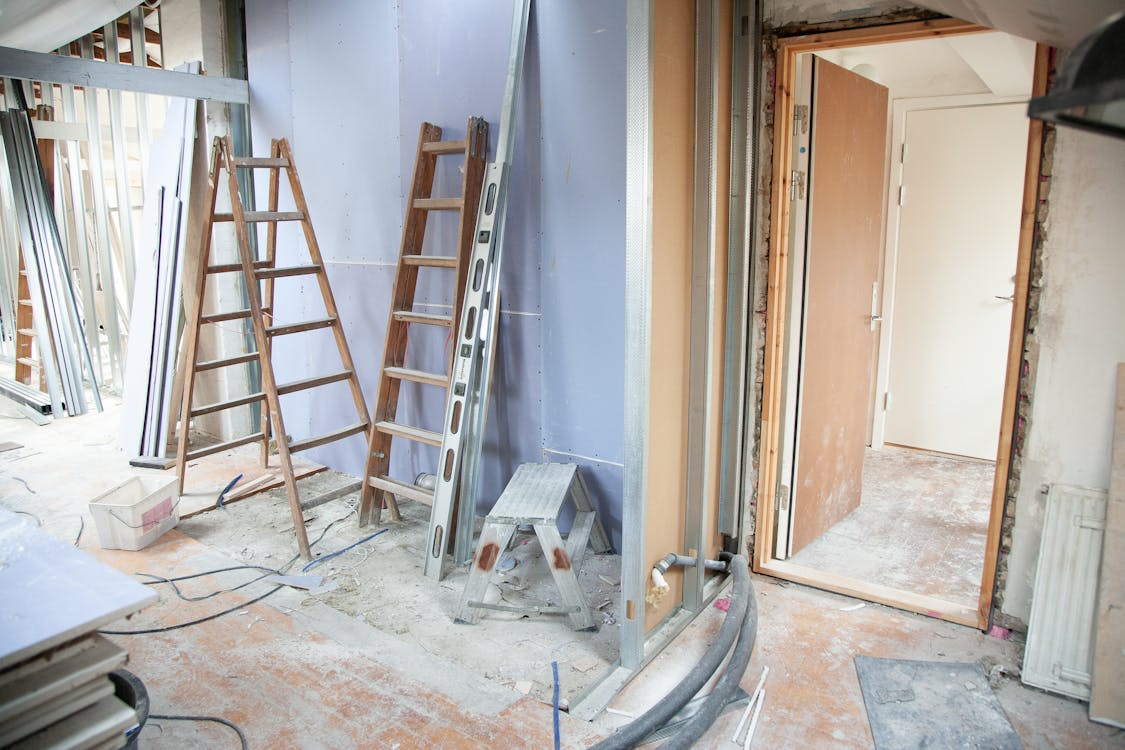
Water damage restoration begins with mitigation. This phase includes stopping the water source, extracting standing water, drying affected areas, and preventing mold growth. Specialized equipment, such as industrial dehumidifiers and air movers, is typically used.
After mitigation, damaged materials, such as drywall, insulation, flooring, and cabinetry, are removed if they cannot be salvaged.
The restoration phase then rebuilds the affected areas to their pre-loss condition. The goal is not to upgrade finishes, but to restore the property to its condition before the damage occurred.
Time sensitivity is critical in restoration projects. Delays increase the risk of mold and structural deterioration.
Explore Basement Finishing: Moisture and Code Considerations for insights on moisture risks and code planning.
How Remodeling Differs From Restoration
Remodeling is elective. It involves redesigning layouts, upgrading materials, improving functionality, or enhancing aesthetics.
Unlike restoration, remodeling does not require emergency mitigation. It is planned in advance and often includes design consultation and material selection phases.
Remodeling may involve structural changes, plumbing relocation, or electrical upgrades that extend beyond the original configuration.
Insurance typically does not cover remodeling costs unless they are directly tied to covered damage.
Review What To Expect During A Full Kitchen Remodel for upgrade decisions after restoration.
Insurance Claims and Scope Limitations
When water damage triggers a claim, the insurance adjuster creates a scope of loss outlining covered repairs. This document defines what restoration work the policy will fund.
If homeowners choose to upgrade materials, such as replacing standard cabinets with custom cabinetry, the cost difference must be paid out of pocket.
Separating restoration costs from elective upgrades is essential for clarity in accounting. Blending the two can create reimbursement delays.
Understanding policy coverage, deductibles, and depreciation also affects financial planning during restoration.
Timeline and Contractor Coordination
Restoration projects often move faster initially due to the urgency of mitigation. However, reconstruction timelines depend on adjuster approval, material availability, and supplemental documentation if additional damage is discovered.
Remodeling timelines typically follow a structured design-to-build sequence with defined milestones.
In some cases, homeowners combine restoration and remodeling. For example, after water damage in a kitchen, they may choose to redesign the layout while rebuilding.
When combining both, contractors must document covered versus non-covered work carefully to prevent billing confusion.
Consider Window Replacement Services and Energy Ratings for timing upgrades during reconstruction.
Cost Differences and Budget Planning
Restoration costs are driven by the damage severity and scope defined by the insurance policy. Remodeling costs reflect design ambition, material upgrades, and structural complexity.
While restoration focuses on necessary repair, remodeling introduces discretionary spending decisions.
Homeowners should maintain separate budgets for insurance-covered repairs and personal upgrade investments.
Clear financial separation prevents disputes with insurers and ensures accurate contractor invoicing.
Water damage restoration and remodeling may share similar trades, such as carpenters, electricians, and plumbers, but their objectives differ fundamentally. Restoration restores. Remodeling reimagines.
Recognizing this distinction helps homeowners manage insurance coordination, define contractor responsibilities, and budget accurately.
When handled thoughtfully, restoration repairs protect structural integrity, and remodeling enhancements improve long-term livability. Understanding the difference ensures that both processes serve their intended purpose without financial confusion.
See Budget Buffer Strategies Every Homeowner Should Build In for planning repair cost overruns.