
Understanding the services involved in a bathroom renovation helps homeowners evaluate estimates, plan budgets, and realistically anticipate disruption.
Bathroom renovations may seem smaller than kitchens, but they often involve some of the most technical and code-sensitive work in a home. Plumbing, waterproofing, ventilation, and electrical systems all converge in a compact space.
Because bathrooms handle moisture daily, mistakes can lead to long-term damage.
Demolition and Site Preparation
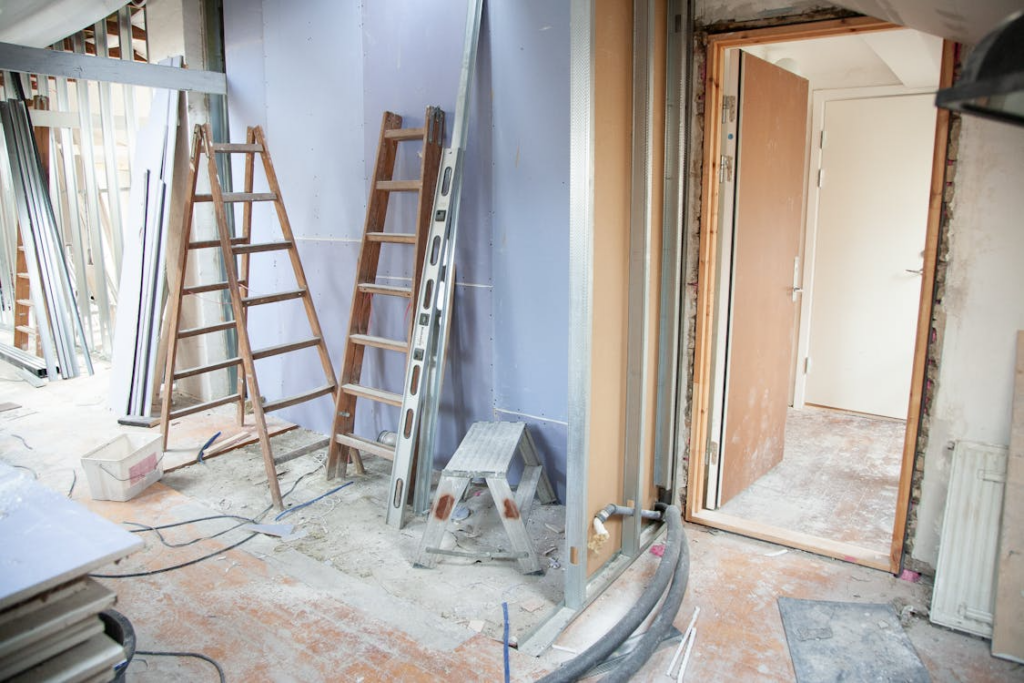
Bathroom renovations typically begin with demolition. Existing fixtures, tile, flooring, cabinetry, and sometimes drywall are removed. If layout changes are planned, walls may be opened to access plumbing and electrical systems.
Dust containment is critical in small spaces. Contractors often seal off adjacent rooms to minimize debris spread.
During demolition, hidden issues may surface. Water damage behind showers, deteriorated subflooring, or outdated plumbing lines frequently require correction before reconstruction proceeds.
Review What A Detailed Estimate Should Actually Include to confirm every service line item is covered.
Plumbing and Waterproofing Requirements
Plumbing is the backbone of any bathroom renovation. If fixtures remain in the same location, updates may involve replacing supply lines, drain assemblies, and shutoff valves.
Relocating toilets, sinks, or showers increases complexity and labor cost. Moving drain lines may require subfloor access or slab modification.
Waterproofing is equally critical. Shower pans must be properly installed and tested. Waterproof membranes or cement backer boards protect wall assemblies from moisture intrusion.
Improper waterproofing is one of the most common causes of bathroom renovation failure. This stage should never be rushed.
Explore Change Orders: What They Are And How To Control Them to prevent scope creep during hidden-damage fixes.
Electrical and Ventilation Upgrades
Bathrooms require specific electrical protection. Ground-fault circuit interrupter (GFCI) outlets are required near sinks. Lighting placement must meet code clearances, especially around showers and tubs.
If older wiring is discovered, upgrades may be required to support modern fixtures or heated flooring systems.
Ventilation is often overlooked but essential. Exhaust fans should vent to the exterior, not into attic spaces. Inadequate ventilation leads to mold growth and premature material deterioration.
Upgrading ventilation during renovation improves both comfort and durability.
Tile, Flooring, and Fixture Installation
Once plumbing and electrical rough-ins pass inspection, finish installation begins. Tile work is often the visual centerpiece of a bathroom remodel.
Proper tile installation includes substrate preparation, accurate leveling, and precise grout application. Uneven surfaces or rushed curing times can compromise longevity.
Flooring choices vary from ceramic tile to luxury vinyl or natural stone. Each material requires specific underlayment and moisture considerations.
Fixture installation follows: vanities, sinks, faucets, showerheads, mirrors, and hardware. Alignment, sealing, and leak testing occur during this phase.
Read Creating A Realistic Renovation Timeline From Demo To Final Walkthrough to set expectations for delays.
Timeline and Disruption Expectations
Bathroom renovations typically take three to six weeks, depending on complexity and material availability.
Homes with multiple bathrooms may experience minimal disruption if alternative facilities are available. Single-bath homes often require temporary arrangements.
Water shutoffs occur intermittently, particularly during plumbing modifications. Coordinating schedules in advance reduces inconvenience.
Delays may arise from custom tile backorders, inspection scheduling, or hidden structural discoveries during demolition.
Check Warranty Coverage Explained For Home Services to document workmanship and product coverage.
Final Inspection and Quality Control
Before final payment, conduct a thorough walkthrough. Test all plumbing fixtures for leaks and for consistent water pressure. Confirm that exhaust fans operate properly.
Inspect grout lines, caulking, tile alignment, and cabinet installation. Ensure doors and drawers function smoothly.
Verify permit approvals and request warranty documentation for both workmanship and installed products.
A bathroom renovation combines design appeal with technical precision. Plumbing integrity, waterproofing quality, electrical compliance, and ventilation performance all determine long-term success.
By understanding each service component, from demolition and rough-in work to finish installation and inspection, homeowners gain confidence in evaluating contractor proposals and managing expectations.
When executed properly, a bathroom renovation improves daily function while protecting against moisture-related risks for years to come.