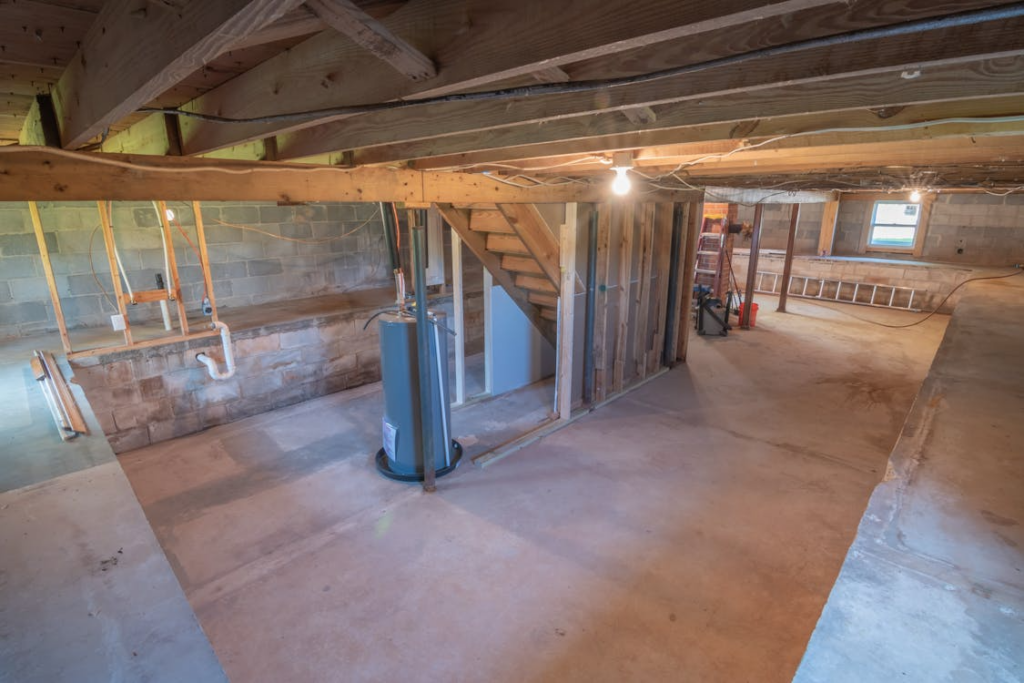

The key to temporary housing during renovation is deciding whether partial occupancy is realistic or if relocation is the smarter choice.
Major renovations can disrupt daily life more than most homeowners anticipate. When kitchens, bathrooms, flooring, or structural systems are under construction, noise, dust, and limited access can make staying in the home impractical.
Planning temporary living arrangements reduces stress, protects your timeline, and prevents last-minute decisions that strain your budget.
Determining Whether You Can Stay
Not all renovations require moving out. Cosmetic updates confined to one area of the home may allow you to continue living in unaffected areas. However, projects involving plumbing shutoffs, electrical panel upgrades, or full kitchen removal can severely limit daily function.
Consider how many essential systems will be offline at once. If multiple bathrooms are unavailable or HVAC systems are disrupted, staying may compromise comfort and safety.
Also, evaluate tolerance to construction dust and noise. Even with proper containment, demolition generates debris that can affect air quality and routine activities. Families with young children, pets, or remote work schedules may find relocation more manageable.
Explore Electrical Panel Upgrades: When And Why You Need One for safety planning considerations.
Budgeting For Temporary Housing
Temporary housing expenses are often overlooked during renovation planning. Short-term rentals, extended-stay hotels, or furnished apartments can incur high costs depending on the project’s length.
Include estimated housing costs in your renovation budget from the beginning. Factor in utilities, parking, pet accommodations, and storage if necessary. If staying with family or friends, consider contributing toward household expenses to preserve relationships.
Insurance coverage may apply in restoration projects related to damage, but elective renovations rarely qualify for housing reimbursement. Confirm coverage details in advance rather than assuming assistance will be available.
Read Budget Buffer Strategies Every Homeowner Should Build In to strengthen relocation planning.
Coordinating Move-Out And Construction Schedules
Timing matters. Moving out too early may increase rental costs, while moving too late can interfere with demolition or trade access. Align relocation dates closely with confirmed construction milestones.
Pack and label belongings strategically. Protect furniture and valuables either through off-site storage or sealed containment areas if partial occupancy continues.
Clarify access expectations with your contractor. Determine whether you need to grant full-day site access, provide security codes, or arrange inspections during your absence.
See Creating A Realistic Renovation Timeline From Demo To Final Walkthrough for scheduling alignment.
Minimizing Stress During Displacement
Temporary relocation can strain routines. Establish predictable schedules for children, pets, and work commitments as early as possible.
Maintain open communication with your contractor. Regular progress updates help you anticipate return dates and manage rental extensions if necessary.
Keep important renovation documents, receipts, and contracts accessible during relocation. Digital backups prevent scrambling for paperwork while living temporarily elsewhere.
Planning For Re-Entry
Returning home after renovation requires preparation. Confirm that utilities are fully operational, inspections are complete, and punch-list items are addressed before moving back in.
Schedule cleaning services if dust accumulation is significant. Even well-managed job sites benefit from professional post-construction cleaning.
Allow time for minor adjustments. New systems, appliances, or layouts may require acclimation. Plan a short buffer between construction completion and full re-entry if possible.
Temporary living plans are not simply logistical details; they are strategic decisions. Evaluating occupancy feasibility, budgeting housing costs, aligning move-out timing with construction phases, and preparing for re-entry all contribute to a smoother renovation experience.
Displacement may feel inconvenient, but proactive planning transforms it from chaos into coordination. When housing decisions are integrated into the renovation strategy early, homeowners protect both their project timeline and their peace of mind.
Check Post-Project Walkthrough Checklist to confirm completion before moving back in.