Understanding when and why an electrical panel upgrade is necessary helps homeowners plan proactively rather than reactively.
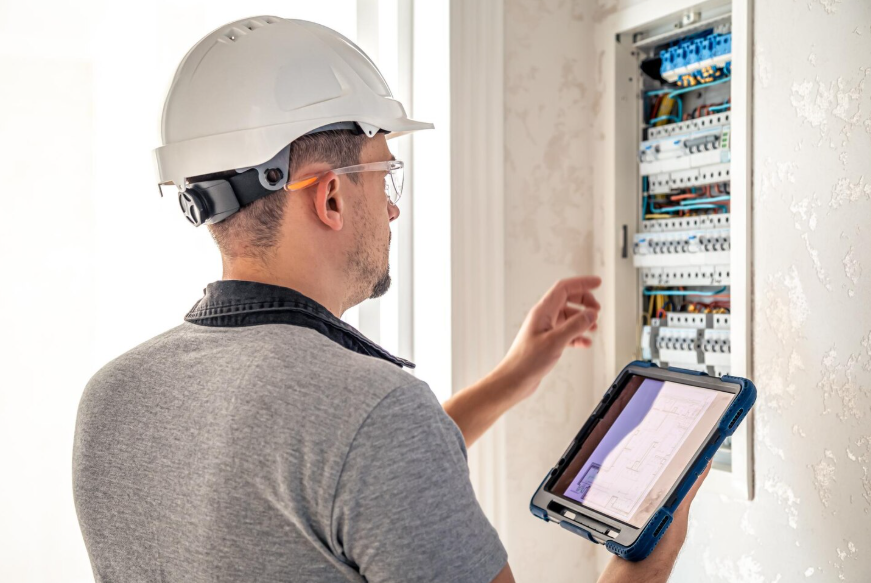
An electrical panel is the control center of your home’s power system. It distributes electricity from the utility service line to individual circuits throughout the house.
While often overlooked, the panel plays a critical role in safety, capacity, and code compliance. Many renovation projects uncover limitations in older panels that must be addressed before upgrades can proceed.
Signs Your Panel May Be Outdated
Several warning signs suggest that an electrical panel may need to be replaced or upgraded. Frequent breaker trips, flickering lights, buzzing sounds, or warm breaker panels indicate potential overload or deterioration.
Homes built decades ago often have 100-amp service, which may be insufficient for modern electrical demand. Today’s households commonly rely on high-wattage appliances, HVAC systems, electric vehicle chargers, and smart home technology.
Panels containing obsolete components, such as fuse boxes or discontinued breaker brands, may also pose safety concerns. Insurance carriers sometimes require the replacement of certain outdated models due to fire risk history.
If your panel lacks available breaker space for additional circuits, expansion may be necessary during renovations.
Compare The True Cost Of DIY Vs. Hiring Professionals before attempting electrical work with real risk.
When Renovations Trigger Upgrades
Major renovations frequently increase electrical demand. Kitchen remodels often add dedicated circuits for appliances. Bathroom renovations may require new GFCI outlets and upgraded lighting circuits.
Adding square footage, finishing basements, or installing central air conditioning can exceed existing panel capacity.
Electric vehicle chargers, heat pumps, and induction ranges also require significant amperage. In such cases, upgrading to a 200-amp service panel may be recommended.
Electrical code updates may also require compliance improvements when substantial remodeling occurs. Local regulations often mandate bringing systems up to current standards when work exceeds certain thresholds.
Explore Smart Home System Installation Planning to account for new loads and future devices.
Safety And Code Considerations
Electrical panels must meet strict safety codes to prevent fire hazards and equipment failure. Proper grounding, bonding, and surge protection are essential components of modern systems.
An overloaded panel can overheat, increasing the risk of fire. Professional electricians calculate load demand to determine whether existing capacity can safely support planned upgrades.
Panel upgrades often require permits and inspection. Utility coordination may also be necessary if service capacity is increased.
Attempting DIY electrical panel modifications is strongly discouraged due to safety risks and legal implications.
See Permits 101: What Projects Actually Require Approval to plan inspections and utility coordination.
What The Upgrade Process Involves
Upgrading an electrical panel typically involves replacing the existing panel box, installing new breakers, updating grounding systems, and, in some cases, replacing the meter base or service mast.
A temporary power shutdown is required during installation. Most upgrades can be completed in a single day, though scheduling inspections and coordinating utilities may extend the overall timeline.
Costs vary depending on service capacity, panel brand, location, and whether wiring upgrades are required.
Homeowners should request detailed estimates outlining labor, materials, permit fees, and inspection coordination.
Check HVAC Replacement Planning Guide to align HVAC upgrades with available electrical capacity.
Long-Term Benefits of Upgrading
While panel upgrades represent a significant investment, they provide long-term benefits. Increased capacity supports future renovations, new appliances, and technology expansion.
Modern electric panels improve safety, reduce nuisance breaker trips, and enhance home resale appeal.
Insurance carriers may offer more favorable terms when outdated or high-risk panels are replaced.
Planning panel upgrades during renovation avoids disruptive retrofits later.
Electrical panels rarely attract attention until problems arise. Recognizing outdated capacity, renovation-triggered demand increases, and safety risks allows homeowners to address issues proactively.
An electrical panel upgrade may not be the most visible improvement in a renovation, but it is often one of the most important. Ensuring adequate power distribution protects your home, supports modern living, and lays a reliable foundation for future upgrades.