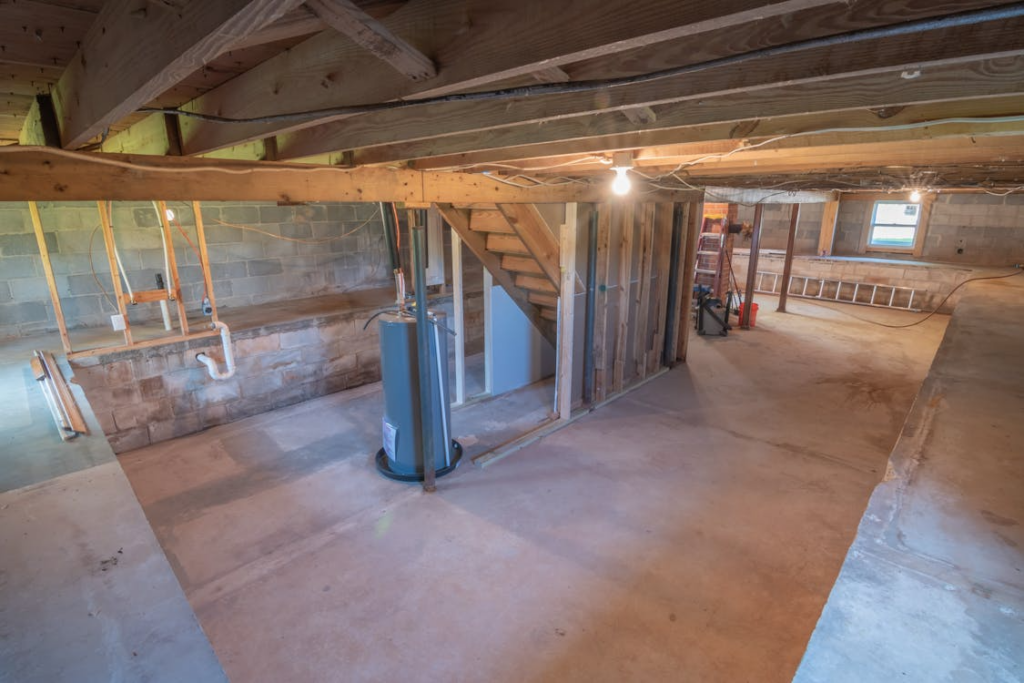
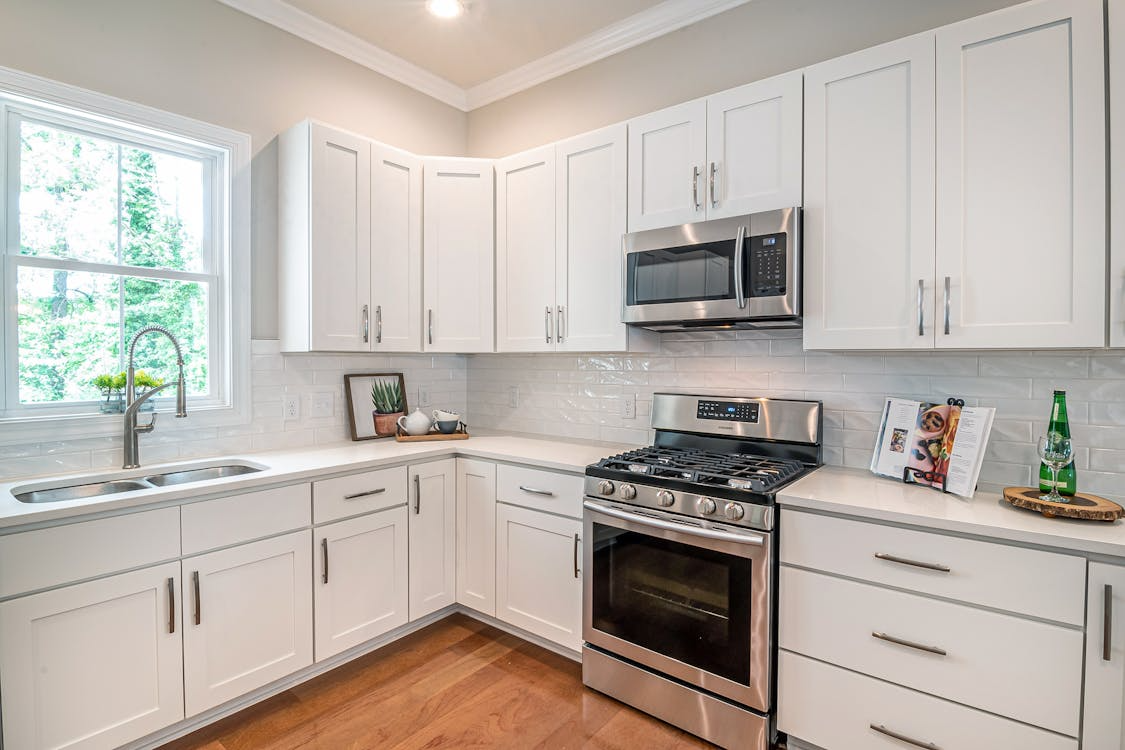
Kitchen remodels are rarely simple cosmetic upgrades. They are coordinated system overhauls.
A full kitchen remodel is one of the most disruptive and rewarding home renovation projects. Kitchens involve multiple trades, structural considerations, plumbing, electrical, cabinetry, appliances, and finish work, all layered into a tight timeline.
Understanding what to expect from demolition through final walkthrough helps homeowners plan realistically and reduce stress.
Pre-Construction Planning and Selections
Before demolition begins, planning must be finalized. Cabinet layouts, appliance specifications, countertop materials, lighting plans, plumbing fixture choices, and flooring selections should all be confirmed.
Cabinet lead times often dictate project scheduling. Custom or semi-custom cabinetry can take several weeks to produce before delivery.
Permits may be required if plumbing lines are relocated, electrical panels upgraded, or structural walls removed. Securing approvals early prevents costly delays later.
Clear selections before construction reduce change orders and prevent mid-project indecision.
Explore How To Align Design Vision With Budget Reality to balance aesthetics with budget.
Demolition and Rough-In Phase
Demolition typically lasts several days, depending on the scope. Existing cabinetry, countertops, appliances, flooring, and sometimes drywall are removed.
If structural changes are planned, framing adjustments occur during this stage. Load-bearing wall removal requires proper support beams and possibly an engineering review.
Next comes rough-in work. Electricians install wiring for outlets, lighting, and appliances. Plumbers relocate water supply and drain lines if needed. HVAC modifications may adjust ductwork for new layouts.
Rough-in inspections often follow before walls are closed. Passing inspection is required before moving forward.
Check Whole-Home Rewiring: Signs It’s Time to understand electrical upgrades during renovations.
Installation and Finish Work
After inspections, drywall is repaired or installed, followed by painting preparation.
Cabinet installation typically occurs before countertop templating. Once cabinets are secured, countertop fabricators measure for stone or solid-surface materials. Fabrication may take one to two weeks.
Flooring may be installed before or after the cabinets, depending on the chosen material. Tile backsplashes, lighting fixtures, hardware, and plumbing fixtures follow.
Appliance installation occurs near the end of the sequence to avoid damage during earlier phases.
Timeline Expectations and Common Delays
A full kitchen remodel often spans six to twelve weeks, depending on complexity, permit timelines, and material availability.
Common delays include cabinet backorders, countertop fabrication timing, inspection scheduling, and unexpected system discoveries during demolition.
Living without a kitchen requires preparation. Many homeowners set up temporary cooking areas with small appliances in other rooms.
Clear communication with your contractor about schedule milestones reduces frustration if adjustments become necessary.
Consider When To Hire A Designer Vs. A Design-Build Firm for guidance on planning complex remodels.
Disruption and Temporary Living Planning
Kitchen remodels affect daily routines significantly. Water may be shut off temporarily. Electrical circuits may be offline during rewiring.
Dust containment systems minimize debris spread, but noise and activity remain constant during work hours.
Some homeowners remain in the home throughout construction, while others temporarily relocate depending on the project’s scope.
Planning meal alternatives, dishwashing solutions, and storage relocation makes the transition smoother.
Final Walkthrough and Quality Check
At completion, conduct a detailed walkthrough. Test appliances, verify cabinet alignment, inspect grout lines, check caulking, and confirm proper plumbing function.
Review punch-list items carefully before issuing the final payment. Confirm permits are closed, and warranties are documented.
A full kitchen remodel requires patience, preparation, and coordination across multiple trades. From pre-construction planning and demolition to rough-in inspections, finish installation, and final walkthrough, each phase builds upon the last.
Understanding the sequence, timeline expectations, and disruption level allows homeowners to prepare strategically rather than reactively. When expectations align with reality, the result is not only a transformed kitchen but also a smoother renovation experience overall.
See Post-Project Walkthrough Checklist for guidance reviewing completed renovation work.