The goal is not to chase trends but to align home upgrades for resale value, especially what buyers consistently value in your market.
Not every renovation adds equal resale value. Some upgrades generate strong returns, while others primarily improve personal comfort. If resale impact is part of your renovation strategy, planning room by room allows you to prioritize investments strategically rather than emotionally.
Timing also matters. Improvements made too far ahead of listing may lose freshness, while rushed updates close to the sale can feel incomplete. A structured approach helps balance livability and long-term return.
Kitchen: High Visibility, High Expectations
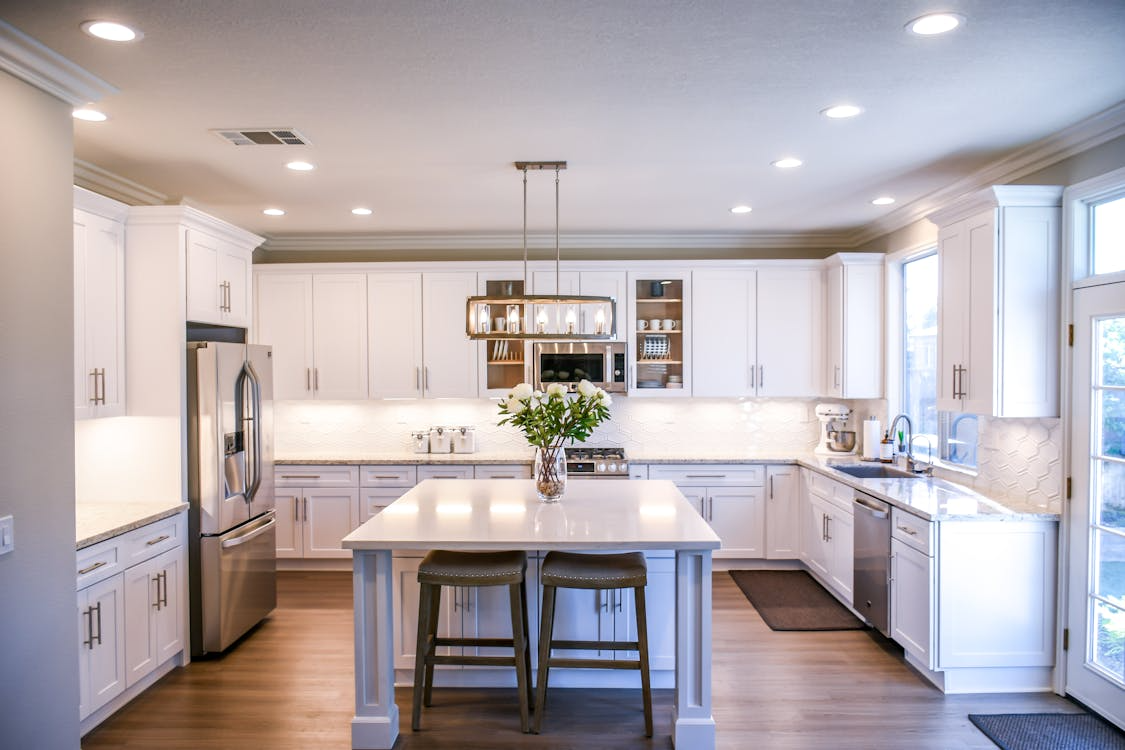
The kitchen remains one of the most scrutinized spaces during resale. Buyers evaluate layout efficiency, cabinet condition, countertop durability, appliance quality, and overall flow. A functional kitchen often influences perceived home value more than square footage alone.
However, full gut renovations do not always produce proportional returns. Minor to mid-range remodels, such as cabinet refacing, updated hardware, modern lighting, and durable countertops, frequently deliver better ROI than luxury overhauls.
Timing kitchen upgrades within two to five years of listing typically preserves value. Extremely personalized finishes or ultra-trendy color schemes can narrow buyer appeal, so neutrality tends to protect investment.
Explore What To Expect During A Full Kitchen Remodel before planning upgrades.
Bathrooms: Condition Signals Maintenance
Bathrooms send a strong signal about how well a home has been maintained. Water damage, outdated plumbing fixtures, and poor ventilation quickly raise buyer concerns.
Mid-level bathroom renovations often have a significant impact on resale value. Improvements such as modern vanities, improved lighting, updated tile, efficient toilets, and enhanced ventilation systems provide functional value without overbuilding for the neighborhood.
If the budget is limited, prioritize the primary bathroom first, followed by visible powder rooms. Secondary bathrooms can be refreshed rather than fully remodeled unless the condition demands structural repair.
Check Bathroom Renovation Service Breakdown to align upgrades with resale goals.
Curb Appeal And Exterior Improvements
Exterior upgrades often deliver strong returns because they shape first impressions. Siding replacement, updated entry doors, modern garage doors, landscaping improvements, and exterior lighting upgrades influence buyer perception before anyone steps inside.
Roof condition and visible structural integrity also matter significantly. While roofing replacement may not feel glamorous, it reassures buyers and reduces negotiation pressure during inspection.
Exterior projects are often best completed within a few years of listing to ensure they remain visible and fresh. However, structural repairs, such as roofing or siding, should not be delayed if damage is present.
Read Roofing Replacement: Material Options Compared when evaluating exterior impact.
Living Spaces And Layout Adjustments
Open, functional living spaces remain desirable in many markets. Removing non-load-bearing walls, improving natural light, or upgrading flooring throughout main areas can elevate perceived value.
However, structural changes require careful cost-benefit analysis. Major layout alterations may not produce equivalent resale gains if they exceed neighborhood standards.
If resale is a primary objective, focus on consistency. Cohesive flooring, neutral paint, updated trim, and modern lighting often deliver a strong visual impact without structural upheaval.
Compare When To Hire A Designer Vs. A Design-Build Firm before finalizing layout plans.
Basement And Bonus Space Finishing
Finished basements, attic conversions, or flex rooms can increase usable square footage and attract buyers seeking multifunctional living. However, code compliance is critical. Proper egress windows, moisture control, and insulation upgrades protect both safety and resale value.
In some markets, unfinished basements are acceptable as long as they are clean and dry. Over-improving below-grade spaces without addressing moisture risks can reduce ROI.
Before investing heavily in bonus spaces, evaluate neighborhood norms. Resale impact is strongest when upgrades align with comparable properties.
Room-by-room planning works best when tied to realistic real estate market expectations. Kitchens and bathrooms typically anchor resale potential, followed by exterior improvements and cohesive interior updates. Structural integrity and system reliability often matter as much as aesthetics.
The key is alignment. Renovations that align with buyer expectations in your price tier deliver stronger returns than highly customized upgrades that exceed neighborhood norms. Thoughtful sequencing ensures that your investment supports both current enjoyment and future market appeal.