Choosing the right roofing material requires balancing climate conditions, budget, architectural style, and long-term value rather than focusing solely on upfront cost.
A roof is one of the most important protective systems in your home. It shields against weather, regulates temperature, and supports structural integrity. When replacement becomes necessary, homeowners face multiple material options, each with different costs, lifespans, durability levels, and aesthetic considerations.
Asphalt Shingles: The Most Common Choice
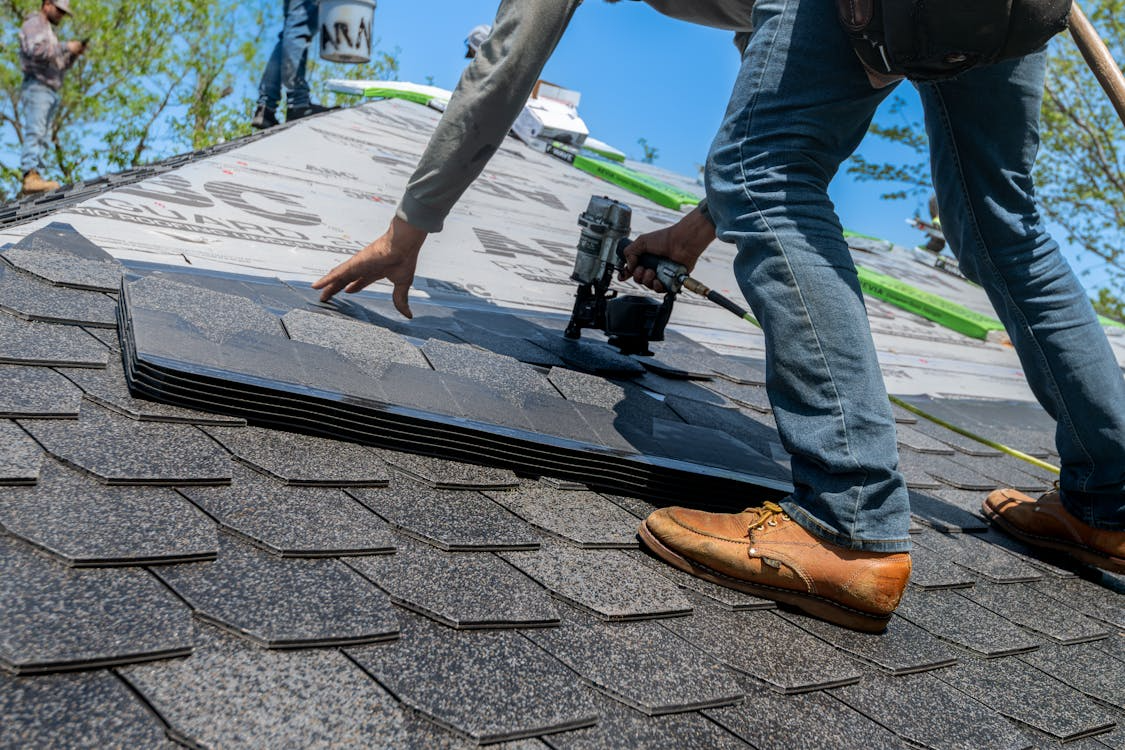
Asphalt shingles are the most widely installed roofing material in residential construction. They are relatively affordable, widely available, and suitable for a broad range of architectural styles.
Standard three-tab shingles offer basic protection at a lower cost, while architectural shingles provide enhanced durability and dimensional appearance.
Asphalt roofing typically lasts 15 to 30 years, depending on product quality and climate conditions. While cost-effective, it may require replacement sooner than premium materials.
Installation familiarity and repair accessibility make asphalt shingles a practical choice for many homeowners.
Explore Understanding Labor Vs. Material Cost Breakdown to compare pricing structures.
Metal Roofing: Durability and Longevity
Metal roofing has grown in popularity due to its durability and long lifespan. Properly installed metal roofs can last 40 to 70 years.
They are resistant to fire, wind, and extreme weather conditions. In certain climates, metal roofs reflect sunlight effectively, improving energy efficiency.
However, upfront costs are higher than those for asphalt. Noise concerns during heavy rain are sometimes raised, though proper insulation reduces this effect.
Metal roofing works particularly well in regions prone to severe weather.
Read Window Replacement Services and Energy Ratings to improve renovation efficiency.
Tile Roofing: Longevity and Weight Considerations
Clay and concrete tile roofs offer distinctive aesthetic appeal and exceptional durability. Lifespans can exceed 50 years when properly maintained.
Tile materials are fire- and insect-resistant, making them attractive in certain climates.
However, tile roofs are heavy. Structural reinforcement may be required before installation, increasing overall project cost.
Tile installation is also more labor-intensive, contributing to higher pricing compared to asphalt.
Synthetic and Composite Options
Synthetic roofing materials replicate the appearance of slate, wood shake, or tile while offering lighter weight and easier installation.
These materials often provide improved impact resistance and durability relative to traditional options.
Costs vary depending on brand and warranty coverage, but synthetic roofing can offer a balance between aesthetics and longevity.
As with all materials, verify manufacturer warranties and installation requirements carefully.
Climate and Structural Factors
Roof selection should reflect the local climate. High-wind zones require materials with strong uplift resistance. Hot climates benefit from reflective coatings or lighter colors.
In hail-prone areas, impact-resistant shingles or metal roofing may reduce insurance premiums.
Structural framing capacity must also be considered. Heavier materials, such as tile, require evaluation before installation.
Consulting with a licensed roofing contractor ensures compatibility between material choice and structural design.
See HVAC Replacement Planning Guide to coordinate system upgrades with exterior work.
Cost, Lifespan, and Maintenance Comparison
Upfront cost differences between materials can be significant. However, evaluating the cost per year of lifespan provides a more accurate long-term perspective.
Maintenance requirements vary as well. Asphalt may require more frequent inspections and repairs, while metal and tile systems often offer extended durability with proper upkeep.
Consider resale impact. In some markets, premium roofing materials can enhance buyer appeal and justify higher listing prices.
Roof replacement is not simply a repair; it is a long-term investment decision. Asphalt shingles provide affordability and versatility. Metal roofing offers durability and weather resistance. Tile delivers longevity and aesthetic character. Synthetic options blend performance with design flexibility.
Balancing the budget, climate, structural capacity, and maintenance expectations ensures a roofing decision that effectively protects your home for decades.
Check out Smart Home System Installation Planning when adding sensors or monitoring.